Families in Issaquah, WA, looking for specialized care for their children’s teeth often seek a pediatric dentist who understands young patients’ unique needs. A pediatric dentist in Issaquah provides gentle, expert dental care tailored specifically to children, focusing on prevention and comfort.
These dentists use child-friendly techniques and modern technology to help kids feel safe and relaxed during visits. They also educate parents on how to maintain their child’s oral health at home, preventing common issues like cavities and tooth decay.
Choosing the right pediatric dentist can make a big difference in how children perceive dental care. For families wanting trustworthy guidance and compassionate treatment, Issaquah’s pediatric dentistry options offer a great starting point.
Core Principles of Pediatric Dental Care
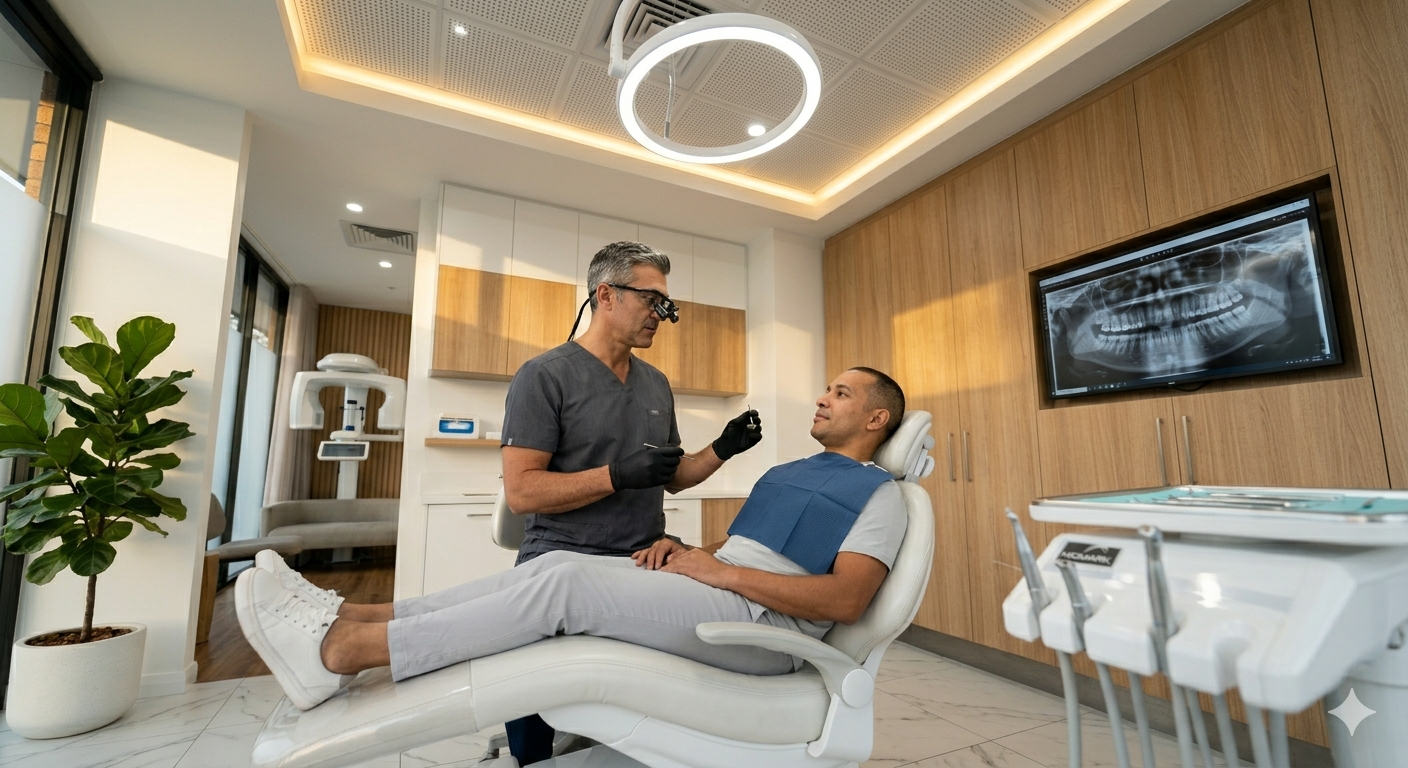
Pediatric dental care centers on creating a positive experience tailored to children’s unique needs. This approach focuses on specialized dental techniques, early prevention, and building good habits to support lifelong oral health.
What Sets Pediatric Dentistry Apart
Pediatric dentists receive extra training to work specifically with children’s teeth, jaws, and behavior. They understand how a child’s mouth develops and how to manage dental anxiety. The office environment is designed to be welcoming and non-threatening with kid-friendly décor and tools sized just right for small mouths.
Behavioral techniques like gentle explanations, distraction, and positive reinforcement help children feel safe and understood during visits. Pediatric dentists also work closely with families to explain treatment options clearly and create care plans that fit young patients’ lifestyles. Their expertise extends to managing issues like early tooth decay, thumb sucking, or bite problems before they worsen.
The Foundations of Child-Friendly Treatment
A child-friendly dental treatment plan focuses on comfort and gradual exposure. Pediatric dentists often introduce new procedures slowly, letting children become comfortable with the equipment before starting treatment. Local anesthetics and sedation options are used carefully to minimize pain and fear.
Treatment is always adapted to each child’s maturity and dental needs. This might mean short, simple visits for very young kids or more comprehensive care for those with significant dental concerns. Education is a key part of the process—teaching children how to care for their teeth in ways they can understand keeps them engaged and confident.
Importance of Early Oral Health Habits
Establishing good oral health habits early prevents many common dental issues. Pediatric dentists emphasize twice-daily brushing with fluoride toothpaste once teeth appear, and regular flossing as the child grows. Parents receive clear guidance on helping children brush properly, manage sugar intake, and schedule regular dental checkups.
Early visits also give dentists a chance to spot risks like enamel defects or cavities and intervene quickly. Preventive care such as fluoride treatments and dental sealants strengthens teeth against decay. By setting these foundations early, kids develop a positive relationship with oral health that supports their well-being into adulthood.
Choosing the Right Dentist for Your Child
Finding the right dentist involves more than just credentials. Parents also look for someone who connects with children and offers a welcoming, stress-free environment. Comfort, trust, and professional skill all shape the best experience.
Qualifications and Specialized Training
Pediatric dentists complete extra training beyond dental school, usually two to three years focusing on children’s oral health. This specialization teaches them techniques suited to children’s developing teeth and nervous systems. They are skilled in managing young patients’ behavior to ensure safe, effective care.
Look for a dentist who is a member of organizations like the American Academy of Pediatric Dentistry (AAPD), which signals adherence to high standards. Verify that the office uses up-to-date technology and sterilization practices. These details show commitment to both safety and quality.
Building Trust with Young Patients
Trust starts with gentle communication and familiar routines. A pediatric dentist often uses child-friendly language to explain procedures, helping kids feel less scared. Meeting the dentist before any treatment lets children ask questions and gain confidence.
Parents should notice how the dentist interacts—do they listen patiently and respond kindly? Positive first visits establish comfort, making future appointments smoother. Dentists experienced with children know small rewards and positive reinforcement go a long way.
Office Environment and Family Experience
The office should feel cheerful and inviting, with toys, books, or videos that keep children entertained. Cleanliness and an organized setup reassure parents about safety standards. Accessibility for strollers, parking, and flexible appointment times also matter.
Look for an office that welcomes parents in the treatment room and explains each step clearly. A friendly, patient staff can ease anxiety for the whole family. These practical touches turn dental visits into something children and parents approach without stress.
Preventive Dentistry and Oral Hygiene
Maintaining a child’s oral health involves a combination of professional care and daily habits. This includes routine visits to the dentist, treatments that strengthen teeth, and guided care at home to build lifelong healthy habits.
Regular Checkups and Cleanings
Regular dental visits are essential to catch problems early and keep children’s smiles healthy. A pediatric dentist typically recommends checkups every six months. During these visits, the dentist will examine teeth and gums, look for cavities, and remove plaque buildup through professional cleanings.
These appointments also allow the dentist to monitor jaw growth and development, ensuring the teeth are coming in correctly. Kids often find cleanings gentle and comfortable, helped by staff trained to work with young patients. Consistent visits help reduce anxiety and make dental care a normal part of life.
Fluoride Treatments and Sealants
Fluoride strengthens tooth enamel, making it more resistant to decay. Pediatric dentists often apply fluoride treatments during checkups, which are painless and quick. This added protection is especially valuable for kids prone to cavities or those with limited fluoride exposure at home.
Sealants provide a physical barrier on chewing surfaces, preventing food and bacteria from settling into grooves. Applied like a thin, protective coating, sealants are particularly effective on molars, where decay is most common. Both fluoride and sealants are safe, widely used methods to maintain strong, healthy teeth in children.
Home Care Tips for Growing Smiles
At home, brushing twice daily with a fluoride toothpaste is crucial. Parents should supervise young children’s brushing until they can reliably clean all surfaces—typically around age 7 or 8. Using a soft-bristled toothbrush helps protect sensitive gums.
Flossing once a day is important once teeth touch side by side to remove plaque where brushes can’t reach. Encouraging a balanced diet low in sugary snacks and drinks supports oral health. Drinking water regularly, especially after meals, also helps wash away food particles and acids.
Teaching children these habits early makes healthy smiles a part of their routine. Pediatric dentists can offer personalized advice and tools to make home care easier and more effective.
Comfort-Focused Treatment Approaches
Issaquah pediatric dentists design their care to ensure children feel safe and relaxed throughout visits. They use specific methods to reduce fear, employ gentle tools, and adapt their approach for kids with varying sensitivities.
Managing Dental Anxiety in Children
Dental anxiety is common among children and can often be minimized with clear communication and a calm environment. Pediatric dentists in Issaquah take time to explain procedures in simple language, using stories or demonstrations to build trust.
They may use techniques like “tell-show-do,” where the dentist tells the child what will happen, shows the instruments, then performs the procedure. This helps the child feel more in control and less afraid.
Positive reinforcement, such as praise or small rewards after treatment, also encourages cooperation. In some cases, dentists might offer sedation to help highly anxious kids stay calm and comfortable during more involved treatments.
Gentle Techniques and Tools
Modern pediatric dentists use tools designed specifically for smaller mouths and greater comfort. These include smaller dental drills, soft-tipped suction devices, and vibration technology to reduce discomfort during procedures.
They also prioritize techniques that minimize pain, such as applying topical anesthetics before injections or using slow, precise movements to avoid startling the child. Music, video screens, or distractions like story time may be used during treatment to shift the child’s focus away from dental work.
Many Issaquah pediatric offices invest in ergonomic chairs and calming decor that create a welcoming atmosphere. All these details combine to lower stress and promote a positive dental experience.
Working with Sensitive Kids
Sensitivity varies greatly among children, whether it’s a strong gag reflex, fear of sounds, or discomfort with new environments. Pediatric dentists tailor their approach to each child’s specific needs.
For example, kids with a strong gag reflex might benefit from shorter appointments or positioning adjustments. Dentists may also introduce new instruments slowly and check in frequently to gauge how the child feels.
Building a relationship over multiple visits allows time to gradually increase comfort levels. Parents are encouraged to share any concerns beforehand, so the dentist can prepare strategies that ensure a gentle, patient-centered experience every step of the way.
Common Pediatric Dental Treatments
Pediatric dentists provide treatments tailored to the unique needs of growing children. These often involve managing cavities early and ensuring that the development of teeth and jaws stays on the right track.
Cavity Care and Fillings
When children develop cavities, pediatric dentists act quickly to prevent pain and further damage. They use tooth-colored fillings to restore both baby teeth and permanent teeth, preserving the natural look and function. The process is quick and designed with comfort in mind, often including gentle sedation options to ease anxiety.
Early treatment is crucial because untreated cavities can affect chewing, speech, and overall dental health. Pediatric dentists focus on removing decay without damaging healthy tooth structure, encouraging a positive dental experience for kids. Fluoride treatments and sealants may also be recommended to prevent new cavities.
Space Maintainers and Growth Guidance
After a baby tooth is lost prematurely, space maintainers help keep the gap open for the permanent tooth to come in properly. These devices prevent nearby teeth from shifting, which could cause alignment problems later. Space maintainers are usually custom-made and fitted comfortably to a child’s mouth.
Guidance of jaw and tooth growth is another important part of pediatric dentistry. Dentists monitor how teeth erupt and may recommend appliances to correct bite issues early. This proactive approach supports healthy development and can reduce the need for extensive orthodontics in the future.
Special Dental Needs and Early Intervention
Children with unique dental requirements and those who might benefit from early treatment deserve particular attention. Addressing these needs early can prevent complications and support healthier smiles as they grow.
Care for Kids with Medical Conditions
Children with medical conditions like asthma, diabetes, or developmental disabilities often need tailored dental care. These conditions can affect oral health directly or impact treatment comfort and safety. For example, asthma inhalers may cause dry mouth, increasing the risk of cavities.
Pediatric dentists in Issaquah customize visits to suit each child’s health profile. They coordinate with doctors to understand medication effects and monitor for oral issues like gum inflammation or delayed tooth eruption. Gentle exam techniques and sedation options help reduce anxiety and accommodate special needs during appointments.
Education for parents is key. Dentists guide families on managing oral hygiene at home and recognizing warning signs that need prompt attention. This proactive approach improves overall dental outcomes for children with medical challenges.
Early Orthodontic Assessment
Identifying bite or alignment problems early can make a significant difference. Pediatric dentists usually recommend an orthodontic evaluation by age 7 to catch issues like crowding, crossbites, or jaw growth concerns.
Early intervention can guide proper jaw development and create room for permanent teeth. It might involve simple appliances or habit correction rather than full braces later. This reduces treatment time and complexity during adolescence.
Parents can expect thorough assessments using visual exams and sometimes imaging. The goal is a smooth transition from baby teeth to adult teeth with minimal discomfort and better function. This stage also offers an opportunity to discuss preventive care tailored to their child’s growth pattern.
The Role of Family in Lifelong Oral Health
A family’s involvement plays a vital role in shaping a child’s dental health habits that can last a lifetime. From understanding proper care techniques to practicing consistent routines together, families create the foundation for healthy smiles.
Parent Education and Support
Parents who learn about oral health can better guide their children toward positive habits. Knowing how to brush and floss properly, understanding when to schedule dental visits, and recognizing warning signs of issues are key skills parents need.
Dental professionals in Issaquah often provide clear instructions and resources, empowering parents to support their children at home. This includes advice on diet choices that reduce cavity risks, such as limiting sugary snacks and drinks.
Beyond knowledge, emotional support helps children feel comfortable and less anxious about dental care. When parents demonstrate calm, positive attitudes toward dental visits, children are more likely to develop a trusting relationship with their dentist.
Building Positive Dental Habits Together
Daily routines matter. Families that brush and floss together create a sense of teamwork, which motivates children to keep up with their oral hygiene.
Using fun tools like colorful toothbrushes or timers can make brushing more engaging. Parents can also share their own habits, showing that dental care is important for people of all ages.
Consistency is crucial. Setting fixed times each day for brushing—after breakfast and before bed—helps build a habit. Celebrating small achievements, like flossing regularly for a week, encourages children to stay committed.
By involving the whole family, children learn that dental health is a shared priority, which promotes lifelong care and fewer dental problems down the road.
Connecting with an Issaquah Pediatric Practice
Finding the right pediatric dentist in Issaquah means choosing a team who understands kids’ unique dental needs. These specialists create a welcoming space where children feel safe and comfortable during visits.
Families can expect clear communication about treatment plans, tailored to each child’s growth and development. Many practices offer flexible scheduling, making it easier for parents to fit appointments into busy lives.
Here’s what parents often appreciate about Issaquah pediatric dentists:
- Friendly staff trained in child care
- Use of kid-friendly technology and tools
- Focus on preventive care and education
- Gentle approaches to reduce anxiety
Most pediatric dental offices encourage parents to bring their children for regular check-ups starting as early as the first tooth. This early connection helps build trust and makes future visits smoother for everyone.
They also welcome questions about at-home care, nutrition, and habits like thumb-sucking or pacifier use. This ongoing support emphasizes healthy smiles beyond the dental office.
If you want to discuss your child’s dental health or explore local practices, reaching out for a consultation is a helpful first step. Many offices offer tours or meet-and-greets, so kids can get comfortable before their first appointment.
Frequently Asked Questions
Parents often want clear guidance on preparing their child’s first dental visit, managing anxiety, and understanding preventive treatments. Knowing when X-rays are appropriate and how to reduce cavities with smart snacking also helps families feel confident about oral health care.
How do I choose the right dentist for my child’s first dental visit?
Look for a pediatric dentist who specializes in children’s dental care and creates a welcoming environment. Check for credentials, reviews, and how comfortable your child feels during a tour or meet-and-greet. A caring staff and kid-friendly office can make a big difference.
What should I expect during my child’s first checkup and cleaning?
The first visit usually includes a gentle exam, cleaning, and simple explanations about tooth brushing. The dentist will check for early signs of cavities and assess growth. It’s mostly about making your child comfortable and familiar with dental visits.
How can I help my child feel calm if they’re nervous about the dentist?
Encouragement and honesty work best. Explain what will happen in simple, positive terms without scary words. Bringing a favorite toy or book can provide comfort. Some dentists also offer distraction tools or calming techniques.
When should my child start getting dental X-rays, and are they safe?
Dentists typically begin X-rays when needed to check for hidden cavities or growth concerns, often around age 3-5. Modern X-rays use very low radiation and protective shields, making them safe for children when done responsibly.
What are the best ways to prevent cavities in kids, especially with snacks and sugary drinks?
Limit sugary snacks and drinks, choosing water or milk instead. Encourage fruit over candy and offer healthy snacks like cheese or nuts. Regular brushing with fluoride toothpaste and rinsing after meals helps remove cavity-causing plaque.
Does my child really need fluoride treatments or dental sealants, and how do they help?
Fluoride treatments strengthen tooth enamel to resist decay, and sealants protect chewing surfaces from cavities. Both are safe, quick, and effective preventive tools, especially useful for children prone to cavities or with deep grooves in their teeth.